iLux technology has revolutionized dry eye treatment, improving the lives of millions of people with dry eye disease. The latest innovation from iLux is the Systane® iLux2® Meibomian Gland Dysfunction (MGD) Thermal Pulsation System. The new technology includes imaging that allows our eye doctors at Laser Eye Center™ to capture high-definition video and infrared images of the glands lining each eyelid. (See left image.)
The handheld device is an all-in-one technology that allows eye care professionals and patients to visualize MGD during dry eye treatment.
Dry eyes and allergies go hand in hand, and one can complicate the other. It’s easy to confuse the symptoms of dry eye disease and allergic conjunctivitis (ocular allergies), especially when seasonal changes worsen dry eye symptoms. At Laser Eye Center™, our vision care specialists offer dry eye treatment with BlephEx and iLux and can help determine the cause of your eye concerns.
Dry eye syndrome can plague you year-round, with dry, cold weather in the winter and airflow from fans and air conditioning in the summer affecting tear film. However, it seems that spring is the prime time for dry eye complaints. A five-year study found a peak in visits to the eye doctor for dry-eye-related concerns in April every year, correlating allergens and dry eye disease.
Our ophthalmologists at Laser Eye Center in Los Angeles offer various treatments and technologies to combat dry eye syndrome and help you find relief from uncomfortable symptoms.
Do you frequently get itchy or burning eyes? Does your vision fluctuate during the day or do you feel like you have a foreign object in your eye? If so, you may be one of the 20 million of Americans who suffer from dry eye. For many patients, taking a few simple steps can go a long way toward alleviating symptoms and reducing irritation. The world-class optometrists at Laser Eye Center offer the following suggestions to help minimize dry eye-related discomfort:
Looking at the effect of gender on health can be complicated. Women tend to outlive men, but are more likely to report health problems. When it comes to dry eye disease, the data is clear: Women are affected at disproportionately higher rates than men. Understanding the reasons for this disparity helps Laser Eye Center provide the best possible care for our patients.
Stay-at-home orders to slow the spread of COVID-19 mean that we are spending more time than ever using digital devices. Screen time has increased exponentially with the recent reliance on electronic learning, remote work and binge-watching Netflix. This increase in screen time has uncomfortable implications on one of the most sensitive areas of the body: our eyes. Laser Eye Center has seen an uptick in patients reporting dry eye symptoms. Read on to learn what we are doing to ease their discomfort.
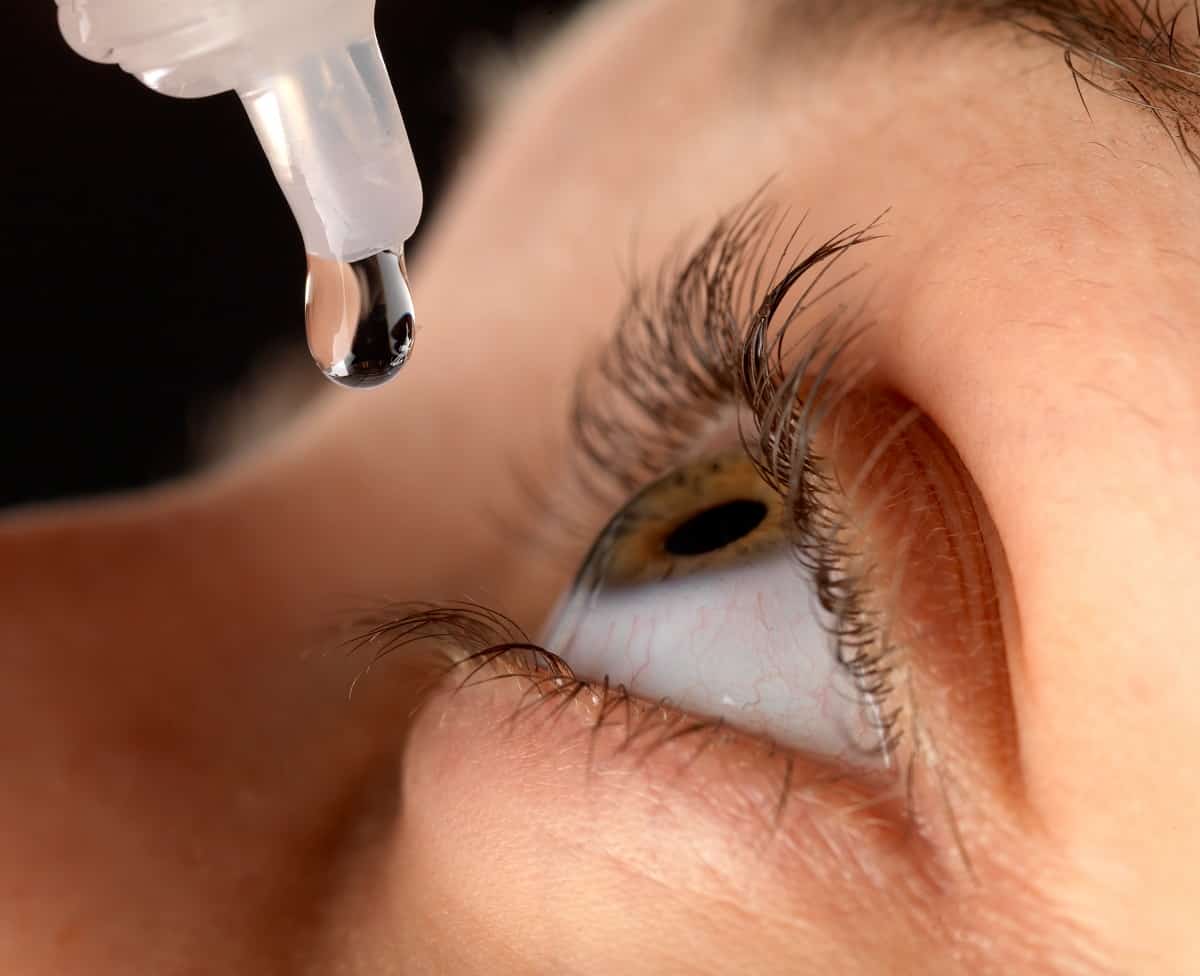
In an effort to manage its symptoms, eye drops are traditionally recommended in order to achieve relief from dry, itchy or irritated eyes. But like any medicine, there are limits on the duration of its effectiveness as well as how much eye drops should be used. Over-the-counter as well as controlled eye drops usually have daily use recommendations and are not intended to be used regularly beyond a period of a few weeks. The only exception is if your doctor instructs you to use them on a daily basis.
In fact, overusing eyedrops can actually do more harm than
good over the long term, according to the team at Laser Eye Center. Here’s why:
A Short-Term Fix vs. a Long-Term
Solution
Eye drops are a quick fix for instant dry eye relief.
However, if you regularly exceed the recommendations for daily use, or you regard
them as a cure for your condition, you might be exacerbating your eye problems.
Let’s say you use medicated eye drops for eye redness. The
drops work by constricting the blood vessels to the sclera (i.e., the white
part of the eye), which takes care of irritation or redness. But as soon as you
stop taking the drops, your blood vessels enlarge and redden to deliver
much-needed oxygen and nutrients to the sclera. This causes a “rebound” effect
that can cause you to become dependent on the drops.
Or, if your eyes are dry and itchy all the time, you might
use artificial tears to help moisturize them. But overusing artificial tears can
actually wash away your eye’s own natural tears, making your eyes even drier.
Importantly, artificial tears are not a cure for dry eyes. In
86 percent of cases of dry eye disease, the culprit is a problem with the
meibomian glands of the eyelids. These glands line your upper and lower lids
and are the site of production of your natural oil film. When we blink, we lift
up the oils produced in our meibomian glands, thereby covering the surface of
the eye and preventing the tears from evaporating. Over time, the meibomian
glands can become blocked or clogged with oily secretions due to environmental
factors such as pollution as well as our sedentary lifestyle in which we stare
at a computer screen for an average of six to nine hours per day. Malfunctioning
meibomian glands cause the eye’s natural tears to evaporate too quickly off the
surface of the eyes. As a result, the eyes dry out. Worse, if the clogged
glands are not addressed in time, they die off, making the disease a condition
that is chronic and irreversible.
No amount of eye drops can address the root cause of dry eye
and restore proper meibomian gland function — but a convenient in-office,
non-drug treatment called iLux can. The iLux handheld device applies a
combination of therapeutic heat and gentle pressure to the meibomian glands to
melt and express the thickened oils and restore normal oil secretion to the
eye’s tear film. Treatment takes about eight minutes and is not painful at all.
The results are significant and lasting, be it as a preventative measure or to treat
already clogged glands. Similar to a deep cleaning at a dentist, most people
experience long-lasting and significant relief from iLux that lasts for about
six months.
For more information about getting relief from the
discomfort of dry eye disease with iLux, please call (800) 805-2737 or email Laser Eye Center today.
Dry eye is one of the most common diseases we see at Laser Eye Center, and something that we are constantly striving to better understand. In the U.S. alone, there are 30 million people suffering from dry eye.
Dry eye may affect quality of life and symptoms include
dryness, tired eyes, redness, irritation, burning and stinging, and watery or
itchy eyes. In severe cases, dry eye disease can interfere with everyday
activities and impact many aspects of quality of life. It can affect reading
and driving, and cause feelings of anxiety, stress and depression.
However given the generalness of the symptoms, many patients
suffering from dry eye do not realize that this is the cause for their symptoms
until they are formally diagnosed by an optometrist. As such, it is critical to offer our dry eye patients
safe, effective treatments like the iLux system. Thanks to iLux, we have been
able to change our dry eye patients’ lives and eliminate their chronic
suffering. Take a moment to learn how.
More than 100 million people worldwide experience the uncomfortable, inconvenient symptoms of dry eye disease. Red, irritated or itchy eyes, blurry vision and the sensation that something is stuck in your eyes can interfere with your work, hobbies and time with family and friends.
Always at the forefront of innovative technology, Laser Eye
Center is pleased to offer real, lasting relief from dry eye disease, using the
iLux system. Instead of simply treating the symptoms of dry eye disease, the
revolutionary technology addresses the root cause of the problem, offering true
freedom from dry eye related discomfort and inconvenience.




 Looking at the effect of gender on health can be complicated. Women tend to outlive men, but are more likely to report health problems. When it comes to