Stay-at-home orders to slow the spread of COVID-19 mean that we are spending more time than ever using digital devices. Screen time has increased exponentially with the recent reliance on electronic learning, remote work and binge-watching Netflix. This increase in screen time has uncomfortable implications on one of the most sensitive areas of the body: our eyes. Laser Eye Center has seen an uptick in patients reporting dry eye symptoms. Read on to learn what we are doing to ease their discomfort.
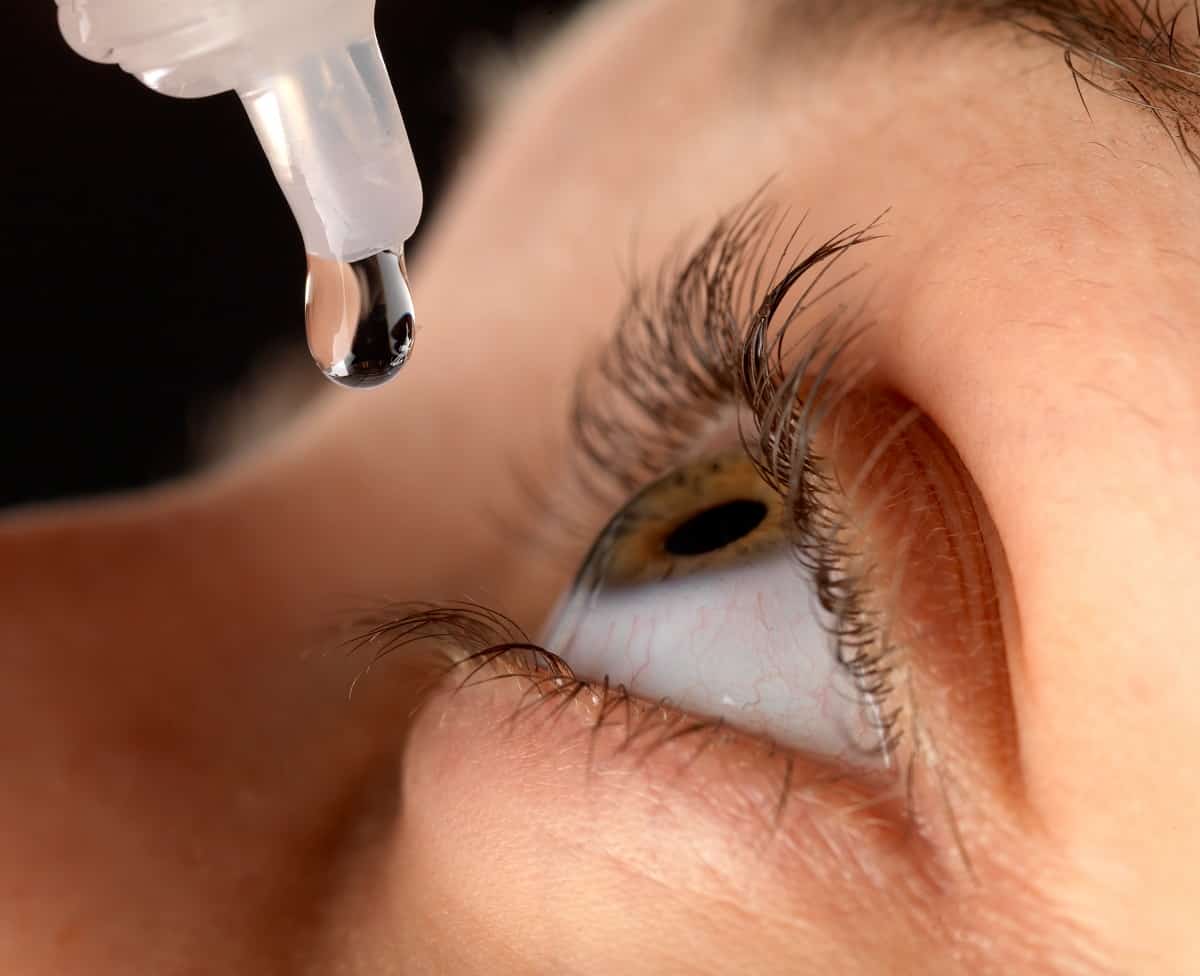
In an effort to manage its symptoms, eye drops are traditionally recommended in order to achieve relief from dry, itchy or irritated eyes. But like any medicine, there are limits on the duration of its effectiveness as well as how much eye drops should be used. Over-the-counter as well as controlled eye drops usually have daily use recommendations and are not intended to be used regularly beyond a period of a few weeks. The only exception is if your doctor instructs you to use them on a daily basis.
In fact, overusing eyedrops can actually do more harm than
good over the long term, according to the team at Laser Eye Center. Here’s why:
A Short-Term Fix vs. a Long-Term
Solution
Eye drops are a quick fix for instant dry eye relief.
However, if you regularly exceed the recommendations for daily use, or you regard
them as a cure for your condition, you might be exacerbating your eye problems.
Let’s say you use medicated eye drops for eye redness. The
drops work by constricting the blood vessels to the sclera (i.e., the white
part of the eye), which takes care of irritation or redness. But as soon as you
stop taking the drops, your blood vessels enlarge and redden to deliver
much-needed oxygen and nutrients to the sclera. This causes a “rebound” effect
that can cause you to become dependent on the drops.
Or, if your eyes are dry and itchy all the time, you might
use artificial tears to help moisturize them. But overusing artificial tears can
actually wash away your eye’s own natural tears, making your eyes even drier.
Importantly, artificial tears are not a cure for dry eyes. In
86 percent of cases of dry eye disease, the culprit is a problem with the
meibomian glands of the eyelids. These glands line your upper and lower lids
and are the site of production of your natural oil film. When we blink, we lift
up the oils produced in our meibomian glands, thereby covering the surface of
the eye and preventing the tears from evaporating. Over time, the meibomian
glands can become blocked or clogged with oily secretions due to environmental
factors such as pollution as well as our sedentary lifestyle in which we stare
at a computer screen for an average of six to nine hours per day. Malfunctioning
meibomian glands cause the eye’s natural tears to evaporate too quickly off the
surface of the eyes. As a result, the eyes dry out. Worse, if the clogged
glands are not addressed in time, they die off, making the disease a condition
that is chronic and irreversible.
No amount of eye drops can address the root cause of dry eye
and restore proper meibomian gland function — but a convenient in-office,
non-drug treatment called iLux can. The iLux handheld device applies a
combination of therapeutic heat and gentle pressure to the meibomian glands to
melt and express the thickened oils and restore normal oil secretion to the
eye’s tear film. Treatment takes about eight minutes and is not painful at all.
The results are significant and lasting, be it as a preventative measure or to treat
already clogged glands. Similar to a deep cleaning at a dentist, most people
experience long-lasting and significant relief from iLux that lasts for about
six months.
For more information about getting relief from the
discomfort of dry eye disease with iLux, please call (800) 805-2737 or email Laser Eye Center today.
Dry eye is one of the most common diseases we see at Laser Eye Center, and something that we are constantly striving to better understand. In the U.S. alone, there are 30 million people suffering from dry eye.
Dry eye may affect quality of life and symptoms include
dryness, tired eyes, redness, irritation, burning and stinging, and watery or
itchy eyes. In severe cases, dry eye disease can interfere with everyday
activities and impact many aspects of quality of life. It can affect reading
and driving, and cause feelings of anxiety, stress and depression.
However given the generalness of the symptoms, many patients
suffering from dry eye do not realize that this is the cause for their symptoms
until they are formally diagnosed by an optometrist. As such, it is critical to offer our dry eye patients
safe, effective treatments like the iLux system. Thanks to iLux, we have been
able to change our dry eye patients’ lives and eliminate their chronic
suffering. Take a moment to learn how.
Living in Southern California, you are probably familiar with the damage that the sun can do to your skin. But did you know that the sun is also potentially harmful to your eyes?
Evidence suggests that sun exposure can contribute to the
formation of pterygia, or fleshy growths that develop on the eyeball. Pterygia are
common in surfers, sunbathers and other people who enjoy spending time outdoors
but may not wear adequate sun protection. Thanks to our sunny location, we see
a lot of cases of pterygia at Laser Eye Center.
Although in their early stages pterygia may not cause
noticeable symptoms, they can grow slowly and eventually cause dry eye symptoms
and compromise vision. Moderate to serious cases of pterygia must be treated
with surgical procedures, such as the autograft technique.
Pterygium At a Glance
Pterygium, taken from the Greek word pterygos,
meaning “little wing,” is a growth that develops on the conjunctiva, the thin
covering of the white portion of the eye. Early on, a pterygium starts out slow
and may not cause any serious symptoms. Sometimes it can cause symptoms similar
to dry eye disease, including tearing, itching or burning eyes.
As a pterygium gradually enlarges, the pink, red or white
lesion may become more noticeable and irritating. Most people find them
cosmetically unappealing, and they may make it feel like something is stuck in
the eye. If a pterygium approaches the center of the cornea, it may threaten to
interfere with visual clarity. Particularly aggressive pterygia can lead to
astigmatism and blurred vision.
The Autograft Technique for
Pterygia
Large or problematic pterygia must be surgically removed, as
no medical cure exists.
With simple surgical excision, there is a high risk of
recurrence. But studies suggest that excising the pterygium and placing a
tissue graft over the area from the patient’s own body where the lesion was
removed significantly lowers the likelihood of recurrence. To achieve this, we use
tissue grafts from another part of the eye (known as autografts).
During the outpatient procedure, the pterygium is surgically
removed, and a graft taken from the patient’s own eye is placed over the area
where the lesion was removed. The procedure takes approximately 30 minutes to one
hour to perform.
Afterward, we prescribe antibiotics and/or steroid eyedrops
or ointments to reduce inflammation and prevent the risk of infection or
recurrence.
If you have been diagnosed with a pterygium or have noticed
an unusual growth on your eye, you should schedule an appointment with our
team. Call (800) 805-2737 or email us today and
request an appointment.
More than 100 million people worldwide experience the uncomfortable, inconvenient symptoms of dry eye disease. Red, irritated or itchy eyes, blurry vision and the sensation that something is stuck in your eyes can interfere with your work, hobbies and time with family and friends.
Always at the forefront of innovative technology, Laser Eye
Center is pleased to offer real, lasting relief from dry eye disease, using the
iLux system. Instead of simply treating the symptoms of dry eye disease, the
revolutionary technology addresses the root cause of the problem, offering true
freedom from dry eye related discomfort and inconvenience.
Did you know that the California Department of Motor Vehicles (CA DMV) requires applicants to meet certain visual requirements in order to pass their driver’s license test? Upon completing the driving portion of the test, the California DMV requires that you pass a standard eye test using a Snellen Eye Chart. The CA DMV vision requirements are as follows:
Drivers must have visibility at 20/40 with both eyes combined (e.g. one eye visibility at 20/40 and the other eye visibility at 20/70).
Anyone not meeting this vision standard is required to wear corrective lenses while driving (such as glasses or contact lenses).
If you cannot pass the CA DMV vision test without the use of glasses or corrective contact lenses, contact Laser Eye Center™™ today to learn more about improving your vision with All-Laser LASIK Eye Surgery.
Dr. Kenneth Chu, O.D.
Laser Eye Center™™
Most people have heard of the eye condition conjunctivitis, more commonly known as “pink eye.” This often contagious eye condition comes in different forms and is most common among children, but proper eye care can help prevent it from occurring. Here, the vision experts at Laser Eye Center™ explain what pink eye is and offer tips on how to avoid it.
Causes Of Pink Eye
There are three main types of conjunctivitis:
Viral conjunctivitis is highly contagious and is caused by the same virus that causes the common cold. The condition usually resolves itself within a few days without the need for medical treatment. The most common symptom of this form of conjunctivitis is a watery mucous discharge.
Bacterial conjunctivitis is caused by a bacteria and usually causes a red or pink eye with pus. The infection can usually be treated by prescription antibiotic eye drops or ointments. If left untreated, this form of conjunctivitis can cause serious eye damage.
Allergic conjunctivitis is caused by common eye irritants such as pollen, dust and animal dander. This form is not contagious, but those who are allergic to certain eye irritants may experience seasonal allergic conjunctivitis.
In some cases, a red or pink eye can be a symptom of another eye condition besides conjunctivitis. If you notice any unusual symptoms in or around your eyes, you should contact your eye doctor right away.
Prevention Tips
Anyone can contract conjunctivitis, but those who spend the day in close proximity to others, like school children, teachers and college students, are especially at risk. Here are a few tips to protect yourself from pink eye:
Do not share washcloths, tissues or eye makeup and brushes.
Cover your mouth and nose when sneezing or coughing.
Don’t rub or touch your eyes.
Never share contacts with anyone.
Wash your hands frequently.
Wear goggles when swimming to shield your eyes against bacteria in the water.
If you suffer from seasonal allergies, visit your doctor for tips on how to minimize symptoms before the start of allergy season.
If you or your child contract viral or bacterial conjunctivitis, it’s important that the condition is resolved before returning to school or work. Returning before the infection has cleared risks spreading it to others.
Contact Laser Eye Center™
To learn more about how to take care of your eyes and vision, schedule an appointment with one of our knowledgeable eye doctors. Please call us today at 800-80-LASER (52737).
Dry eye syndrome is very common, with approximately 48 percent of adults in the U.S. regularly experiencing symptoms such as dry, scratchy irritation, and burning sensations in the eyes. Fortunately, most cases of dry eye can be cured. The vision experts at Laser Eye Center™ offer the following tips to help you relieve dry eye symptoms and keep your vision healthy.
Use Artificial Tears
Artificial tears can alleviate the dry, scratchy feeling that often accompanies dry eyes by bringing much-needed moisture to the eyes. There are many brands of artificial tears available without a prescription. Check with your eye doctor to see which eye drops are best for you based on your symptoms.
Beware of Windy Conditions
Windy weather, fans, and hair dryers can dry out your eyes, so try limiting your exposure to them. If you plan on spending time outside on a windy day, wraparound sunglasses can reduce the chance of wind blowing directly into your eyes. Prepare for unexpected weather by always packing a pair of sunglasses in your travel bag.
Rest Your Eyes
Blinking moistens the eyes and prevents dryness and irritation. Studies show people blink much less when working at a computer, which increases their risk of developing dry eye. Remember to take frequent breaks when using a computer, smartphone or other digital devices. This allows your eyes to regain moisture and focus better.
Avoid Cigarette Smoke
Smoking can have numerous adverse effects on the skin and body. Research shows cigarette smoke can irritate the eyes and worsen dry eye syndrome. Smoking also increases your risk of developing dry eye in the first place.
Keep Your Eyes Clean
Throughout the day, bacteria, oil, and pollutants build up on your skin. Not washing your face or eyes increases the risk of harmful substances reaching your eyes and causing them harm. Likewise, leaving your eye makeup on overnight can irritate the eyes. Wash your eyes regularly by placing warm compresses on your eyes, and gently wash your eyelids to eliminate oil buildup. To wash off makeup, soak cotton balls with eye makeup remover and gently place them over your eyelids for 25-30 seconds.
Schedule an Eye Exam
Treating dry eye symptoms can help prevent them from worsening or leading to more serious eye conditions. The eye surgeons at Laser Eye Center™ have helped thousands of patients in the Los Angeles, Orange County and Inland Empire areas who are experiencing dry eye syndrome. If you are experiencing any dry eye symptoms, our doctors can help you achieve clear vision. Please call us today at 800-80-LASER (52737).
According to The Vision Council, nearly 70 percent of American adults experience some form of digital eye strain, discomfort felt in the eyes after staring at a computer, or other digital device screen for two or more hours at a time. Common symptoms include red eyes, eye twitching, dry eyes and headaches. If this sounds familiar, try the following eye safety tips from Laser Eye Center™ to help protect your vision from digital eye strain.
Adjust the Light Around You
Simple modifications to your work environment can drastically help your computer eye vision. When possible, close the curtains or blinds to avoid screen glare caused by sunlight. Avoid working underneath overhead fluorescent lights and instead, use floor lamps with fewer bulbs or lower intensity bulbs that provide indirect lighting.
If your office has a window, try positioning your computer screen to the side of the window instead of in front of it or behind it. If you still have trouble seeing your computer screen even after making these modifications, try installing an anti-glare screen on your monitor.
Modify Your Display Settings
The brightness on your computer or smartphone screen should approximately match the brightness of your surroundings. If a computer screen is too bright or too dark compared to the room you’re in, you may strain your eyes by forcing them to focus too much. You can also make reading easier by changing the text size and contrast on the screen.
Exercise Your Eyes
Avoid eye fatigue by trying any of the following eye exercises:
Look away from your screen every 20 minutes and gaze at a distant object that’s at least 20 feet away from you for at least 20 seconds. Eye doctors call this the “20-20-20 rule.”
Or, try looking far away at an object for 10 to 15 seconds and then gazing at something up close for 10 to 15 seconds. Repeat this 10 times.
You can also soothe tension by closing your eyes and placing the centers of your palms over them. Take deep slow breaths and relax your eye muscles.
Blink More Often
We tend to blink about two-thirds less than normal when using a computer. Try blinking 10 times every 20 minutes very slowly, as if falling asleep. This gives your eyes some much-needed moisture and prevents dry eyes and irritation.
Consider Computer Glasses
Computer glasses use prescribed lenses to make it easier for you to read or see your computer screen. Be aware that computer glasses often use a different prescription than regular eyeglasses or reading glasses, so they are usually not suitable for driving or general purpose wear. Consult with an eye doctor to see if computer glasses are an option for you.
Get a Comprehensive Eye Exam with Laser Eye Center™
The National Institute for Occupational Safety and Health recommends people who work with computers schedule a comprehensive eye exam before starting work and once a year thereafter. However, anyone who spends hours in front of a digital screen can experience some form of digital eye strain. Take the next step in protecting your vision by reaching out to Laser Eye Center™. One of our trusted vision experts will gladly answer all of your questions and provide tips on how to better protect your eyes against digital eye strain. Please schedule a one-on-one appointment today by calling 800-80-LASER (52737) today.
January is an excellent time to work on resolutions for the upcoming year, and health-related resolutions are common. Laser Eye Center™ encourages you to consider your visual health as you set your 2015 resolutions. Here are some ideas:
Achieve Clear, Crisp Vision with All Laser LASIK
If you’re tired of relying on glasses or contact lenses to perform simple, everyday tasks, it’s time to think about having laser vision correction. All Laser LASIK corrects the refractive error that causes nearsightedness, farsightedness and astigmatism. Most of our All Laser LASIK patients are able to enjoy independence from visual aids after surgery. Make 2015 the year that you finally go glasses-free!
Schedule Your Annual Eye Exam
Regular eye exams are critical to preventing and treating vision problems. They are a good opportunity to keep your prescription current, check for any signs of disease and ensure the overall health of your eyes. Some people believe they don’t need an eye exam if they aren’t experiencing any symptoms — this is untrue! Some vision disorders are asymptomatic and only detectable by a vision professional.
Even if you aren’t due for your annual exam for a few months, call Laser Eye Center™ today (800-80-LASER) to book your appointment for 2015. Maintaining healthy eyes requires your diligence!
Invest in Quality Sun Protection
You may think of sunglasses as a fun fashion accessory, but they are also an important tool to help protect your eyes from the sun’s dangerous UV rays (as we noted in an October blog post). Look for a pair of sunglasses that block 100 percent of UV and HEV (high-energy visible) rays. What’s even better is if they are a wraparound style. Then, commit to wearing them when you are outside.
Quit Smoking
Smoking increases the risk of eye problems like cataracts, dry eye, diabetic retinopathy, macular degeneration and more. Also, it’s terrible for your health! If you are having trouble going “cold turkey,” talk to your general practitioner about possible smoking cessation aids.
Avoid Computer Eye Strain
Studies show that between 50 to 90 percent of employees that use computers experience eye strain, eye twitching, red eyes and other troublesome visual symptoms. To avoid these problems, position your computer between 20-28 inches from your eyes, blink frequently, and, every hour, take a 20-second break to focus your eyes on an object across the room.
For more ideas about keeping your eyes healthy and your vision clear, please contact the Laser Eye Center™ team. Call 800-80-LASER today.