Category: Eye Health & Tips Blog

English: LASIK | Cataract | Dry Eye | General Eye Health
Spanish: LASIK | Carnosidad | Cataratas | Ojo Reseco | Salud General del Ojo

Visian ICL FAQ Los Angeles, Orange County, & Inland Empire

Laser Eye Center is proud to offer our patients choices in vision correction. Though LASIK and PRK are extremely popular procedures for the correction of refractive errors, we realize that they are not right for everyone.

To accommodate a diverse range of needs and preferences, we also offer the Visian Implantable Collamer Lens (ICL) for permanent vision correction. The ICL has helped tens of millions of people around the world achieve freedom from glasses and contacts and has a 99 percent patient satisfaction rate.

This post will familiarize you with the features of this incredible option and answer commonly asked questions.

What are benefits of the Visian ICL?

The Visian ICL offers immediate visual improvement at all distances. Your vision will be crisp, vivid and very clear in nearly all lighting conditions, including when driving at night. The lenses do not alter the structures of your eyes or require any maintenance. There is also built-in UV protection in the lenses to shield your eyes from the sun’s harmful rays (an important feature when living in Southern California!).

Is the Visian ICL better than LASIK or PRK?

There is no “one” solution that fits everyone’s needs. If you have thin corneas, pre-existing dry eye disease, or are uncomfortable with the idea of permanently altering the shape of your corneas, the Visian ICL may be right for you.

Am I a candidate for the Visian ICL?

You may be a candidate for the Visian ICL if you are between the ages of 21 and 45 and are seeking correction for nearsightedness or astigmatism. You should have a stable prescription that has not significantly changed in the past six months to a year.

How is the Visian ICL placed?

The procedure to place ICLs is short, lasting approximately 10 to 15 minutes per eye. Both eyes can be treated at the same time. We will completely numb your eyes and give you a medication to relax you and help you stay comfortable during the procedure. Our surgeons will make a small incision in the eye and insert the ICL behind your iris and in front of your natural lens. Once in place, you cannot see or feel your ICL.

What is the recovery like after getting the Visian ICL?

The recovery is very quick and discomfort is unusual. Some patients experience blurry or fuzzy vision right after the procedure, but can see clearly within hours. You can resume nearly all of your regular activities within a day of treatment.

Could I have an allergic reaction to the Visian ICL?

Visian ICLs are made from biocompatible materials and do not cause allergic reactions.

Are Visian ICLs removable?

Yes. The Visian ICL is designed to be permanent. However, it can also be removed or replaced if necessary.[AO1]  Laser Eye Center recommends scheduling a consultation with our team to discuss the Visian ICL in more detail and determine whether it is right for your needs and goals. To request an appointment, please call or email us today.

Dry Eye Treatment Los Angeles, Orange County, & Inland Empire

Your tear film is a protective liquid coating that covers the surface of your eyes, keeping them moisturized and healthy. The tear film has three layers: water, mucus and oil. If something disrupts the balance of your tears, it can result in uncomfortable symptoms such as persistent eye redness, itching or burning.

Fixing the Most Common Cause of Dry Eye

Dry eye is a chronic and progressive disease. In fact, a number of environmental or biological factors can cause dry eye, and the Laser Eye Center doctors routinely perform complete dry eye work-ups to find out why our patients suffer from symptoms.

Once we have identified the underlying cause of your dry eyes and uncovered any contributing factors, we can put in place a plan to address your condition.

Eighty-five percent of dry eye cases are attributed to meibomian gland dysfunction, which is a problem with the glands that produce the oily layer of the tear film. When tears lack oil, they evaporate rapidly off the surface of the eyes and dry eye symptoms occur. Excessive screen time can also factor into these cases, as looking at screens causes us to blink less, which limits the natural replenishment of tears and oils over the ocular surface.

As a pioneer in dry eye treatment, Laser Eye Center offers the first true intervention available that is also the safest and most effective therapy: iLux. In the past, using drops that masked the symptoms of dry eye was the only relief available to patients — of course, that relief proved to be temporary. With iLux, a quick and painless treatment, we can provide swift relief from the burning, stinging and redness associated with dry eyes. When routinely performed, iLux can keep symptoms at bay, rejuvenating the health of your eyes and relieving you of painful symptoms.

When You Can’t Pinpoint the Cause of Your Dry Eyes

If you don’t have meibomian gland dysfunction, you are part of the 15 percent of patients whose dry eye problems can be attributed to other causes. You may be engaging in behaviors that actually make your symptoms worse (but not even know it).

Smoking

Smoking is harmful to nearly every part of your body, including your eyes. Smoking can exacerbate the burning, stinging and scratchiness that is consistent with dry eyes.

Talk to your primary care physician about a smoking cessation plan. Also, avoid exposure to secondhand smoke whenever possible.

Sleeping In Your Contacts

Falling asleep without removing your contacts deprives your corneas of the oxygen and nutrients they need. Unfortunately, this is true even with extended wear contacts.

Always remember to remove your contacts before going to sleep. If you want to get rid of contacts permanently, explore your vision correction options.

Certain Medications

A wide range of medications, including antihistamines, decongestants, birth control pills and anxiety medication, can sap moisture from your eyes. Overusing certain over-the-counter eye drops can cause a rebound effect, making dry eye symptoms worse!

Talk to your doctor about adjusting your dosage or switching to an alternative medication that won’t worsen dry eyes. Follow the dosage instructions when using over-the-counter eye drops.

To request a consultation with our team to discuss your dry eyes, or to learn more about iLux treatment, please contact us today.

shutterstock 1216577230

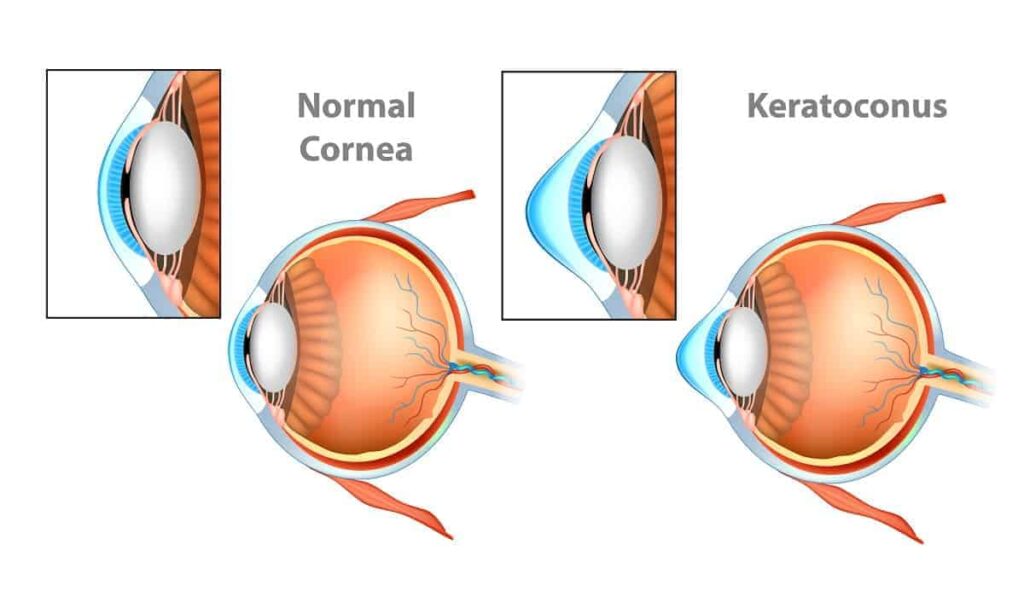
Keratoconus is a degenerative condition affecting the cornea, or the clear covering of the eye. A healthy cornea has a round shape, similar to a basketball. A cornea with keratoconus thins and bulges outward into a cone-like shape, more similar to a football. Since the cornea’s job is to focus incoming light onto the retina, these corneal abnormalities cause significant visual impairment, including blurry, distorted vision.

Keratoconus usually progresses very slowly, but as it becomes more serious, it can make simple everyday tasks like reading or driving difficult. The condition can also make it nearly impossible to comfortably wear contact lenses for vision correction.

The team at Laser Eye Center is highly respected for our experience managing cases of keratoconus. When the disorder is caught early, we strive to intervene quickly so we can slow or stop its progression. At our practice, corneal crosslinking has been instrumental to our team in helping keratoconus patients preserve vision.

WHAT YOU SHOULD KNOW ABOUT KERATOCONUS

For most people with keratoconus, the onset of symptoms starts in their late teenage years and early twenties. Symptoms usually include blurry, distorted vision, increased sensitivity to light, and glare. Some patients experience mild eye redness or swelling.

The most common question we are asked about keratoconus is what causes it. Many doctors believe there is a genetic component to the disorder. Other factors that have been linked to keratoconus include connective tissue diseases, conditions like Down syndrome and Turner’s syndrome, and environmental elements such as overexposure to UV rays. Chronic eye irritation (i.e., from allergies) and excessive eye rubbing may also play a role in the development of keratoconus.

Keratoconus treatment depends on the stage and progression of the disorder. Historically, treatment solutions were focused on managing deteriorating vision with glasses or soft contact lenses instead of altering the course of the disease. But as the cornea becomes more distorted, visual aids may no longer help.

MANAGING KERATOCONUS WITH CORNEAL CROSSLINKING

Corneal crosslinking is the only option currently available to delay or prevent the progression of the disease. The minimally invasive office-based treatment stiffens the collagen strands in the cornea to make it stronger and thicker.

During the treatment, riboflavin drops are applied to the eyes and activated with ultraviolet light. This creates new chemical bonds that reinforce the collagen strands in the cornea to stop it from further protrusion and distortion.

The first and only FDA-approved corneal crosslinking platform is manufactured by Avedro and conveniently offered at Laser Eye Center. For more information about managing keratoconus with corneal crosslinking, please call or email our practice today.

Eye exams in Los Angeles

All of us lead hectic lives full of commitments. But your obligations to others shouldn’t prevent you from prioritizing yourself. You use your eyes nearly every waking moment of the day, and it is only right that you protect your ocular health and vision with regular eye exams.

Read on as the team at Laser Eye Center reveals five reasons to schedule an eye exam before the end of the year.

…

Dry eye services in Los Angeles

As of late September 2020, more than 2.2 million acres of California land have been ravaged by wildfires. The smoke from the fires has spread across the country, aggravating the sensitive eyes of countless people.

No one is more susceptible to the effects of the wildfire smoke than individuals with pre-existing health problems, including dry eyes. At Laser Eye Center, we have personally met patients who are struggling with dry eye symptoms exacerbated by wildfire smoke and resulting pollution. In this post, we want to introduce you to one such patient.

…

Patient expectations in Los Angeles

Laser Eye Center has a 30-year history of changing people’s lives through expert eye care. Because we constantly want to be our best, we keep a finger on the pulse of our industry. Over the past few years, we have noticed a demographic shift with the patients who fill our waiting rooms.

Though baby boomers have been our “safe haven” for nearly as long as we have been in practice — and remain the fastest-growing demographic  millennials are now solidly on our radar. One in every four of our patients is a millennial.

It has become clear to us that baby boomers and millennials have different ideas of what they want out of eye care. Though generational stereotypes do not apply perfectly to every individual, there are certain patterns of thought and behaviors that illuminate how millennials take care of their health, compared to previous generations. As leaders in our field, we feel it is important that our colleagues stay attuned to what different generations want from the health care experience.

…

Comprehensive Eye Exam in Los Angeles

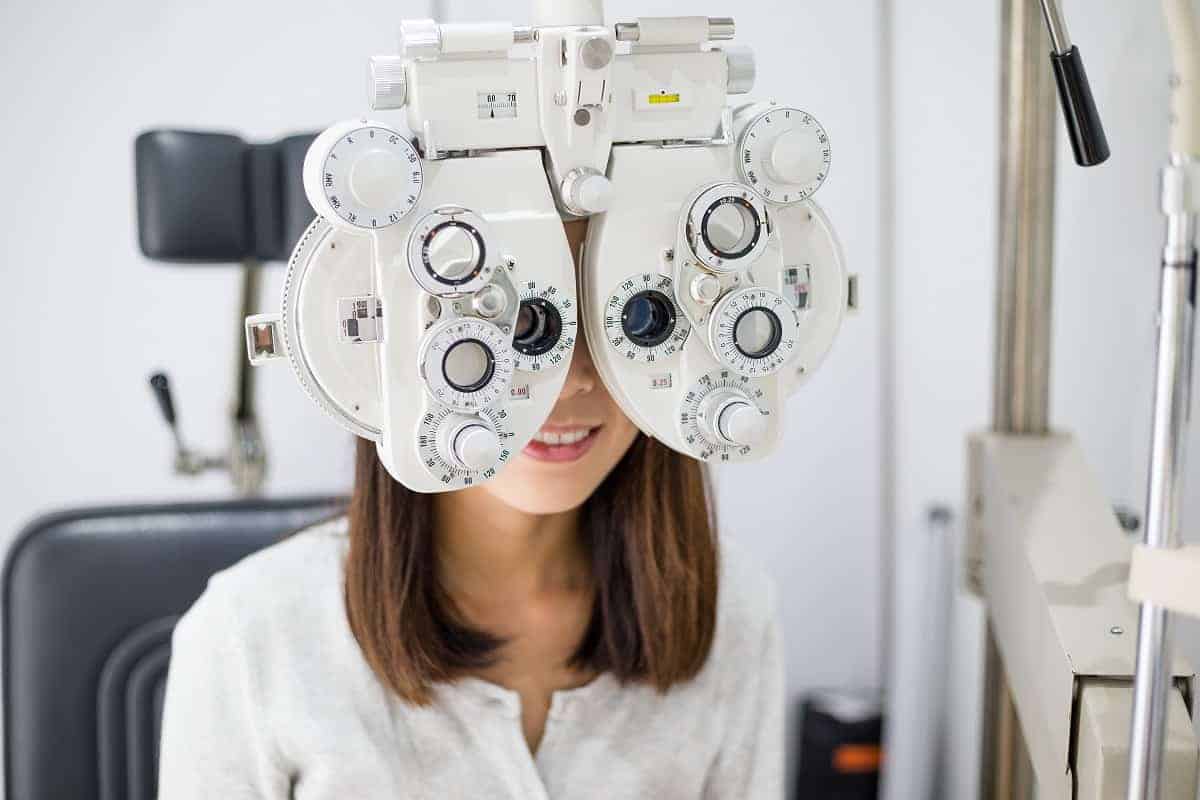
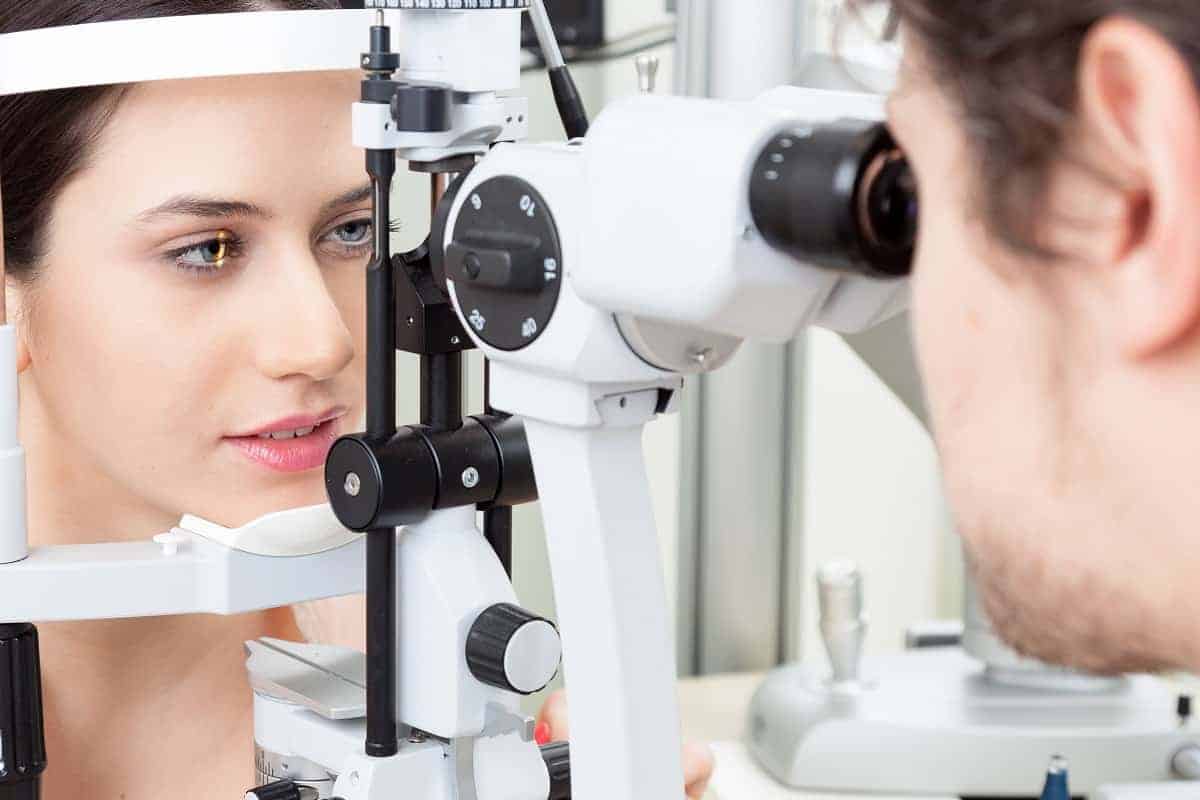
Having your eyes checked regularly is as important as seeing a dentist for cleanings or a physician for a physical. But many people confuse vision screenings with comprehensive eye exams. Don’t make the same mistake — a vision screening is not a substitute for an in-depth examination. There is a tremendous difference in the depth of the exam, the person conducting the exam and the equipment used.

Read on as Laser Eye Center explains why vision screenings and comprehensive eye exams are not interchangeable.

…

Dry eye treatment in Los Angeles

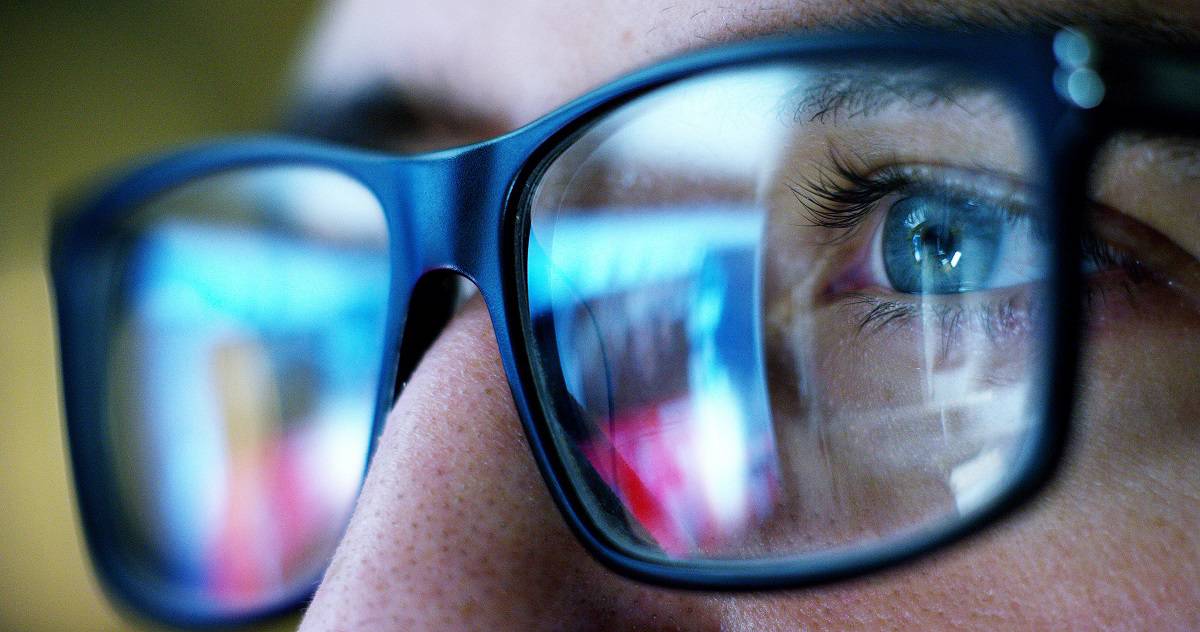
One of the hottest trends in eyewear is blue light lenses. Available through popular eyewear retailers such as Warby Parker, Felix Gray and Quay — and proudly modeled by countless influencers — blue light glasses claim to alleviate dry eye symptoms that occur when looking at digital screens for prolonged periods of time. Sales are skyrocketing, as market research experts predict the global market for blue light glasses will surpass $27 million in 2024.

But are these blue light lenses really helpful for dry eye — or are they just hype? Laser Eye Center uncovers the truth about blue light lenses here.

…

Pterygium treatment in Los Angeles

Of all the conditions that we treat at Laser Eye Center, pterygium may be one of the least understood and most difficult to pronounce (hint: the “p” is silent). As one of Southern California’s leading practices for pterygium removal, we want to set the record straight on pterygium causes and treatments. Read on as our team dispels five of the most common myths about pterygium. 

…

COVID-19 & Eye Patient Care in Los Angeles

COVID-19 has changed the way we work, learn, shop, travel and receive medical care. It has upended the health care industry, as providers in every specialty figure out how to weather the effects of the global pandemic.

But as Albert Einstein reminds us, “In the midst of every crisis, lies great opportunity.”

At Laser Eye Center, we are leveraging the lessons we have learned during the COVID-19 crisis to deepen our approach to patient care. It has never been more important for our team to come together to face a shared challenge and provide world-class care to our deserving patients.

…

Featured Reviews

Contact Us

Our Locations

Cerritos

Encino

Los Angeles

Ontario

Riverside

Santa Clarita

EXPLORE

OUR PRACTICE

Scroll to Top